Most of Bali’s famous waves break over shallow limestone and live coral, making reef cuts in Bali one of the most common surf injuries on the island. Even a light brush against the bottom can leave jagged scrapes packed with coral grit and marine bacteria that infect quickly in tropical heat.
Almost every reef cut is avoidable with the right spot choice, tide timing, and falling habits. If you do get scraped, cleaning it properly right away usually keeps it from ending your surf trip early.
Why Reef Cuts Happen at Bali Surf Breaks
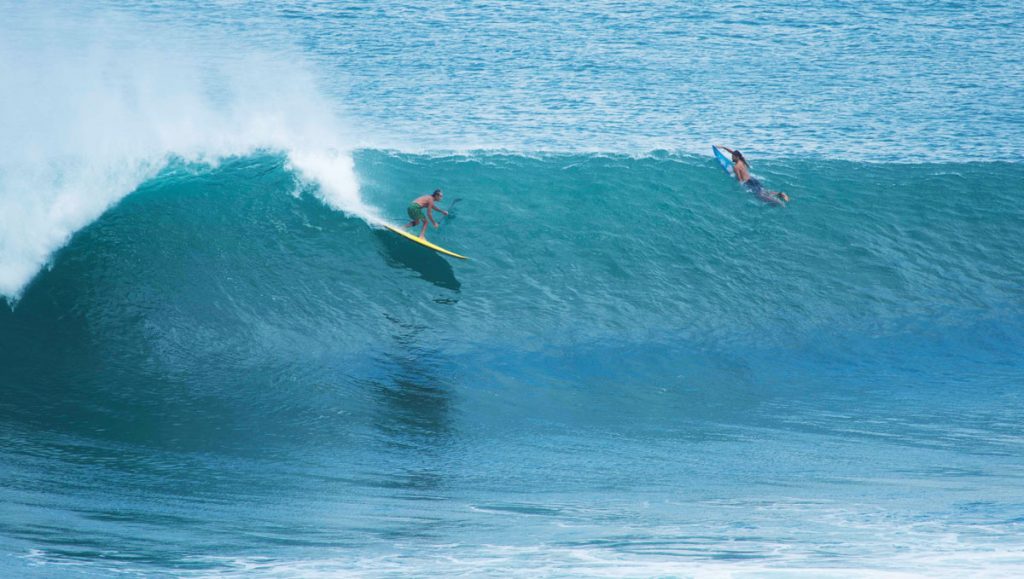
Bali’s coastline mixes sandy beach breaks with sharp coral reefs. On the Bukit Peninsula in South Bali—at Uluwatu, Padang Padang, Bingin, and Impossibles—and along East Bali reefs like Keramas, Nusa Dua, and Sanur, the water drops to waist-deep or shallower as the tide drains out.
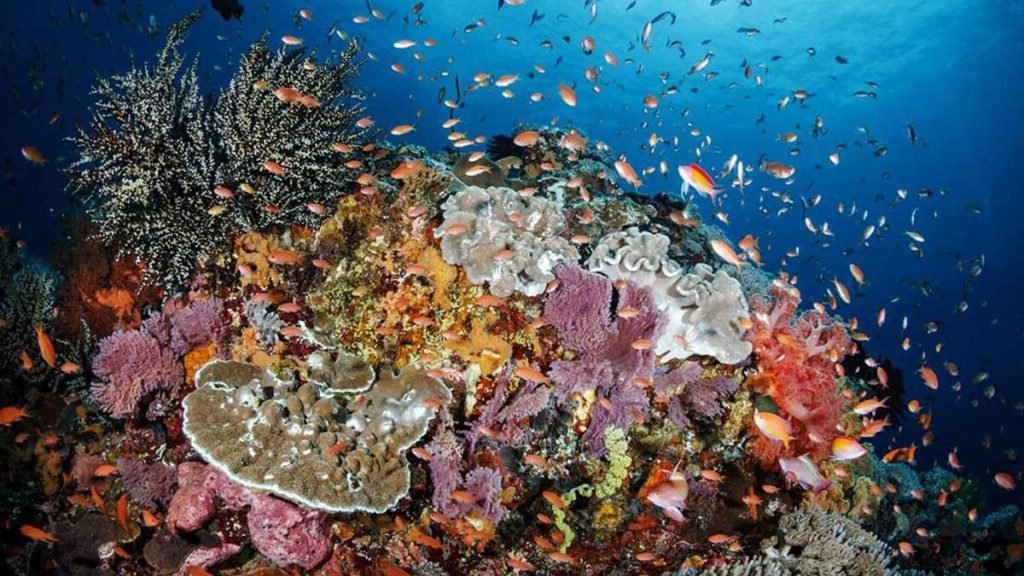
Coral is porous and covered in sharp edges and living organisms. When you hit the bottom, tiny coral fragments and marine bacteria get pressed into the skin, so even a small scratch swells and heals slowly.
Most cuts happen in two moments: walking across shallow reef flats at low tide when entering or exiting, and wiping out feet-first into shallow sections. During the dry season (roughly April to October, biggest swells June to August), big swells hit the west coast and the Bukit, and at low tide the reef there sits only a little under the surface. In the wet season (roughly November to March), surfers move to the east coast, where reef passes and sea urchins require the same care.
How to Avoid Reef Cuts in Bali
Preventing a cut starts before you paddle out. Matching the break and tide to your ability avoids most close calls.
| Risk Factor | Higher Risk | Lower Risk |
|---|---|---|
| Bottom type | Shallow coral reefs (Bingin, Uluwatu, Keramas) | Sandy beaches (Kuta, Legian, Seminyak) |
| Tide window | Dead low tide over exposed reef | Mid to high tide with deeper water |
| Entry and exit | Walking across dry reef shelves | Using channels and waiting for lulls |
| Wipeout habit | Jumping feet-first toward the bottom | Falling flat and covering your head |
Match the Break to Your Level
If you are still learning to pop up or control your board, stick to sandy-bottom breaks like Kuta, Legian, or Seminyak first. Booking surf lessons with a local coach in the water keeps beginners on soft sandbanks while building board control before paddling over coral.

Check the Tide and Watch the Channel
Watch the lineup for five to ten minutes before getting in. Note where local surfers paddle out and come back in. At spots with narrow entries—such as Suluban Cave at Uluwatu—drifting ten metres off the channel can push you onto shallow coral.

Skip unfamiliar reef breaks on a draining low tide, especially during larger dry-season swells. If boils appear in the takeoff zone or the reef shelf looks exposed, wait for the incoming tide or pick a deeper break.
Wear Reef Booties and Fall Flat
Split-toe reef booties protect your feet during reef walks and help guard against sea urchins. A long-sleeve rash guard and surf leggings also reduce exposed skin on shoulders, elbows, and knees.
When you wipe out over shallow reef, fall flat like a starfish to stay near the surface and shield your head with your forearms. Never jump feet-first toward the bottom. If whitewater pushes you into the shallows, lie on your board and paddle out instead of trying to walk over coral.
Step-by-Step First Aid for a Reef Cut
Treat every reef cut seriously right away. Staying in the water for one more wave pushes more bacteria into the wound.
- Exit the water and stop bleeding. Leave via the channel and press clean gauze or cloth firmly on the cut until bleeding slows.
- Flush with clean fresh water or sterile saline. Rinse for several minutes with bottled water or sterile saline from a local pharmacy (apotek) to wash out sand and loose grit.
- Wash with mild soap and water. Divers Alert Network (DAN) recommends scrubbing superficial coral scrapes with soap and water, then flushing again with plenty of clean water to lift out coral particles. Remove only loose debris you can see—never dig into the wound.
- Apply antiseptic. Use diluted povidone-iodine (Betadine) or chlorhexidine after rinsing. Skip the old myth of squeezing lime juice onto a reef cut: citrus acid burns healthy tissue and does not sterilise marine bacteria.
- Cover with a sterile, non-stick dressing. Pat dry with clean gauze, apply antiseptic ointment if advised by a pharmacist, and cover with a non-adherent pad. Change it once or twice daily, or whenever it gets wet.
- Stay out of the ocean until the skin closes. Warm seawater carries Vibrio bacteria, which Queensland Health notes can infect open wounds exposed to seawater. Surfing again too early often turns a minor scrape into a week-long infection.
When to Go to a Medical Clinic in Bali
Home first aid is only for small, shallow scrapes. Visit a clinic the same day if:
- The cut is deep, gaping, or keeps bleeding after firm pressure.
- Coral fragments or sea urchin spines are stuck under the skin.
- The wound is on your face, over a joint, or on your palm or sole.
- Signs of infection appear within 24 to 72 hours: spreading redness, heat, throbbing pain, swelling, pus, red streaks, swollen glands, or fever.
- Your last tetanus shot was more than five years ago—Mayo Clinic advises a booster after five or more years for contaminated or serious wounds.
Bali’s main surf hubs have 24-hour medical care experienced with reef cuts. BIMC Hospital runs 24-hour emergency departments in Kuta (Jalan Bypass Ngurah Rai) and Nusa Dua (ITDC area, convenient from Uluwatu and the Bukit), and Siloam Hospital Denpasar on Sunset Road serves Kuta, Seminyak, and Canggu. Local 24-hour clinics in Canggu and Uluwatu also clean, debride, and stitch deep reef cuts.
FAQ
Should I put lime juice on a reef cut in Bali?
No. Lime or lemon juice is an old surf myth that damages healthy tissue without killing marine bacteria. Flush the wound with bottled water or sterile saline, wash with mild soap, and apply povidone-iodine instead.
How long should I stay out of the water after a reef cut?
Stay out of the sea until the cut closes with a solid scab or healed skin—usually several days for minor scrapes and one to two weeks for deeper wounds. If a doctor stitched the cut, wait for their clearance before surfing again.
Do I need reef booties for surfing in Bali?
You do not need reef booties at sandy beach breaks like Kuta, Legian, or Seminyak. They are worth wearing at shallow reefs in South Bali and East Bali, especially at lower tides, if you are still getting used to walking across coral flats.
Avoiding reef cuts in Bali comes down to choosing breaks that match your level and timing tides with enough water over the coral. If you want to surf Bali’s reef and beach breaks without guessing tides or channels, our Bali surf tour pairs you with a local driver who picks the safest, cleanest waves for your ability each day.


